Interior Design Styles Explained: Beginner's Guide
 By Elena Marsh··6 min read
Interior design styles are visual rule-sets that decide your living room's mood, color palette, materials, and silhouettes. The most common styles beginners encounter are modern, contemporary, Scandinavian, minimalist, transitional, traditional, mid-century modern, industrial, farmhouse, and bohemian. You don't need to commit to one - most homes feel best as a controlled blend of two. Below, each style is broken down by what it looks like, how to spot it, and the easiest way to test it in your main hall or living area. If you're new to decorating, understanding the fundamentals of interior design can make choosing a style much easier.
Style versus trend (and why it matters)
A trend is what's popular right now; bouclé sofas, arched mirrors, mushroom lamps. A style is rooted in history, architecture, and culture; it doesn't expire. When you choose a style first and trends second, you stop buying things that feel dated in eighteen months. That single shift is the difference between a coherent home and a Pinterest board with furniture.
A Breakdown of 10 Popular Living Room Design Aesthetics
1. Modern
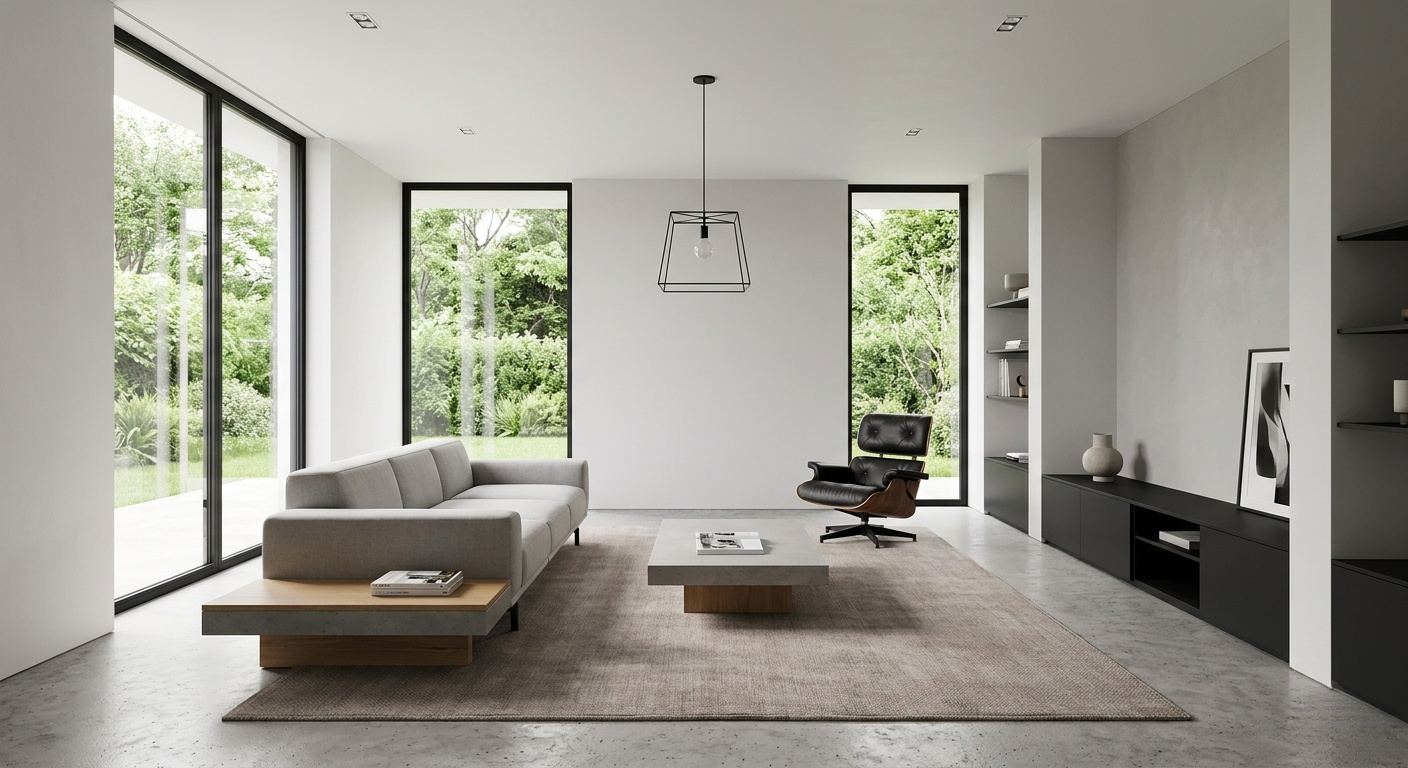
Born from the early-20th-century modernist movement. Clean lines, flat surfaces, low ornamentation, a neutral palette, and an emphasis on function. If a room reads as calm and stripped-back without feeling cold, it's probably modern. Many of these principles also appear in modern home design, where simplicity and functionality guide both room layouts and décor choices.
2. Contemporary
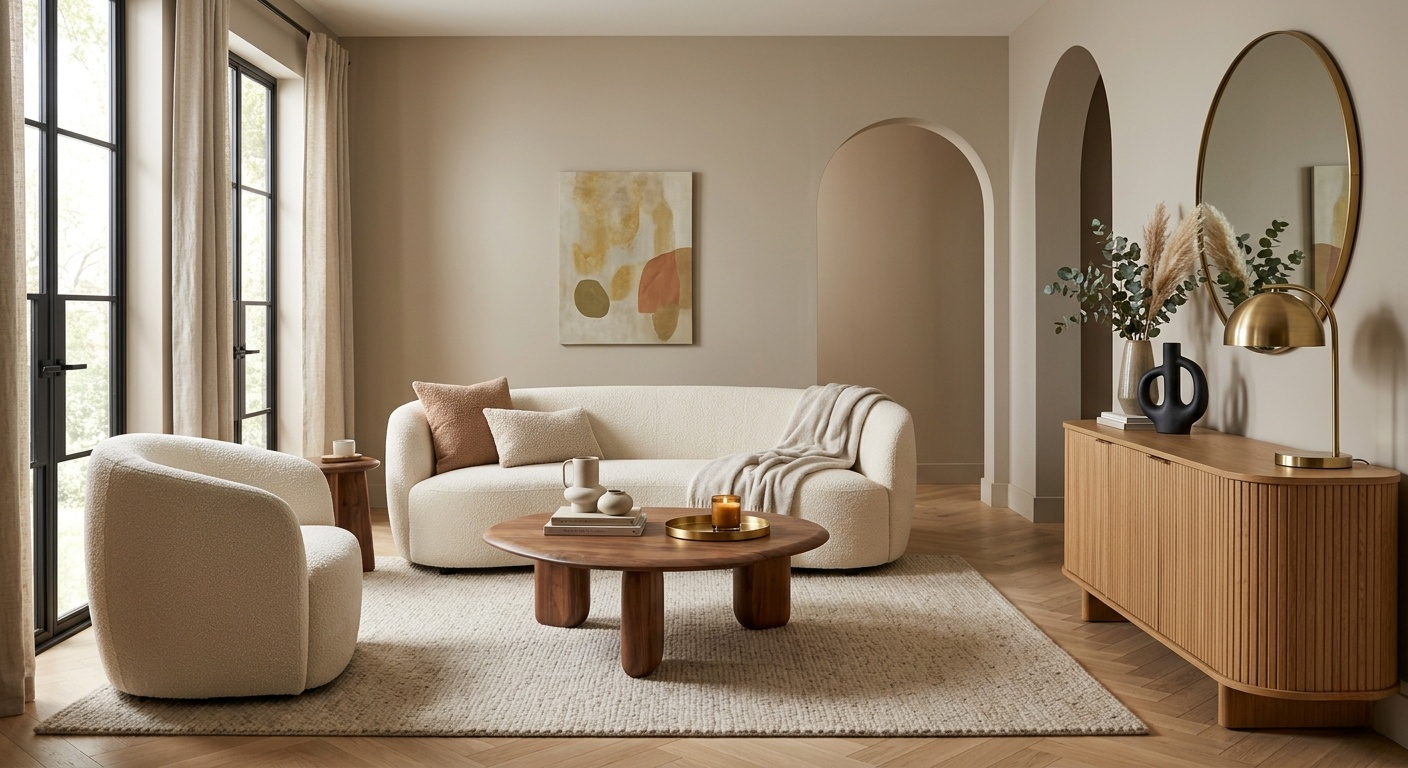
Often confused with modern, but contemporary means "what's current." It shifts every decade. Today's contemporary leans warm; curved silhouettes, soft neutrals, mixed metals, and natural wood.
3. Scandinavian
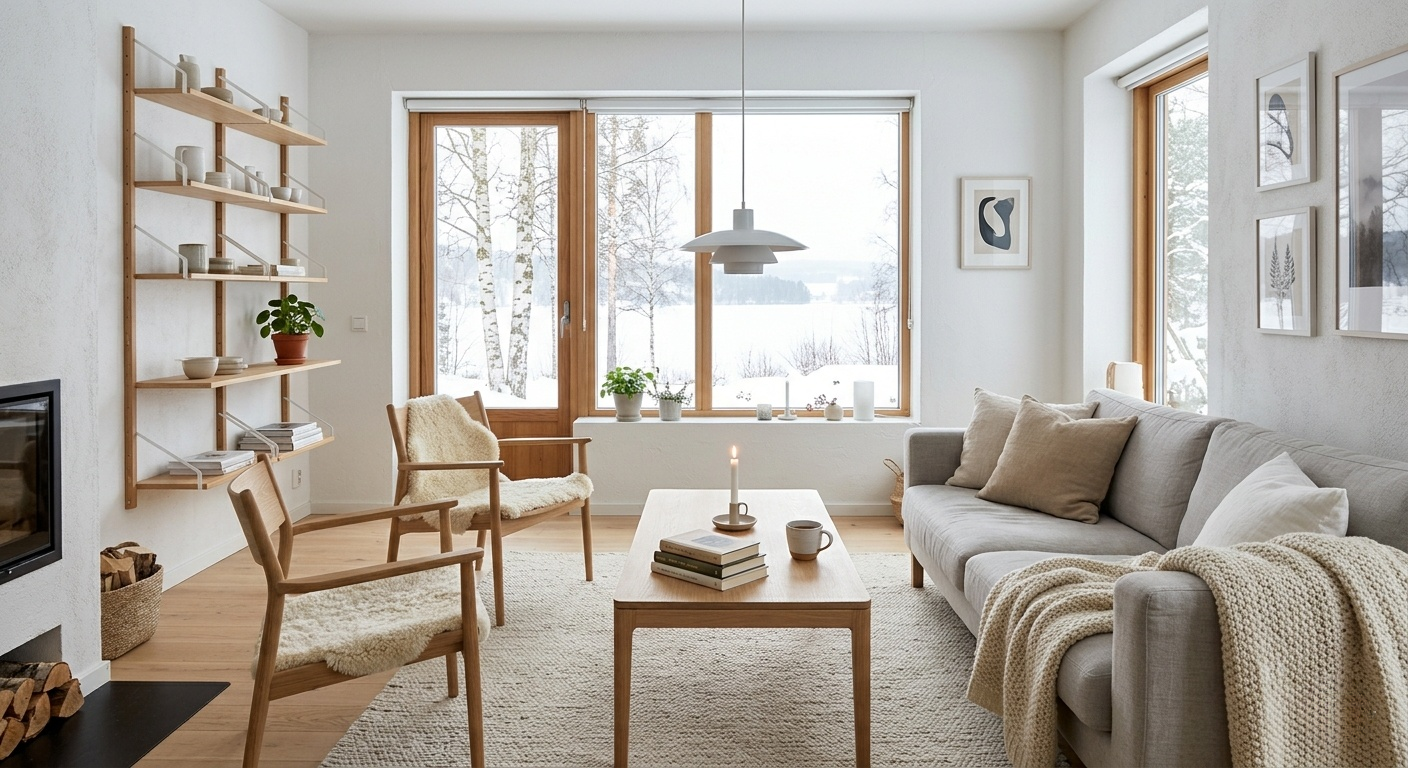
Light woods, white walls, soft textiles, almost no clutter. Built for long, dark winters; so light, warmth, and hygge (cozy comfort) are non-negotiable. Functional, never fussy.
4. Minimalist
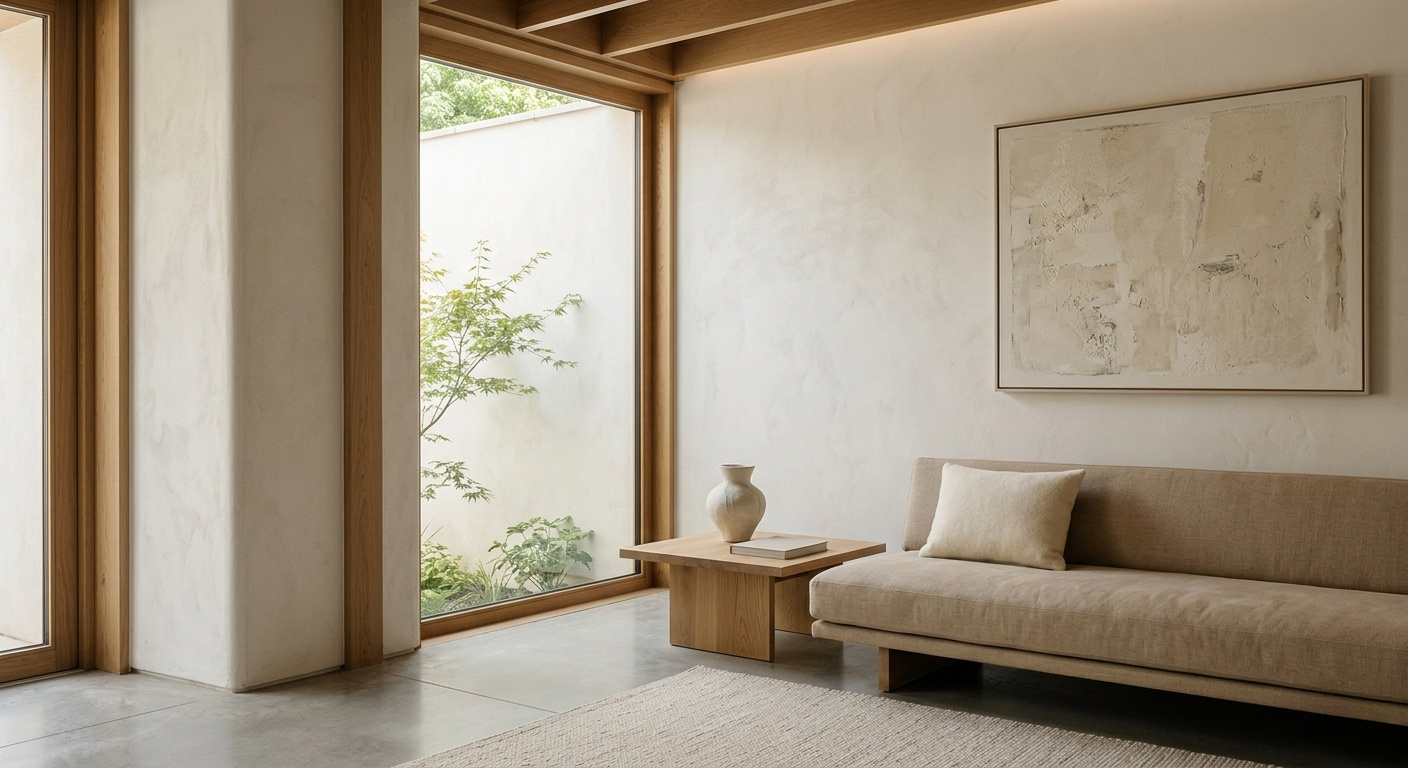
Less of everything: less color, less furniture, less stuff on surfaces. Many homeowners adopt minimalist design principles throughout the entire house, not just the living room. Minimalism is restraint as a design choice. Done well it feels expensive and serene; done badly it feels empty.
5. Transitional
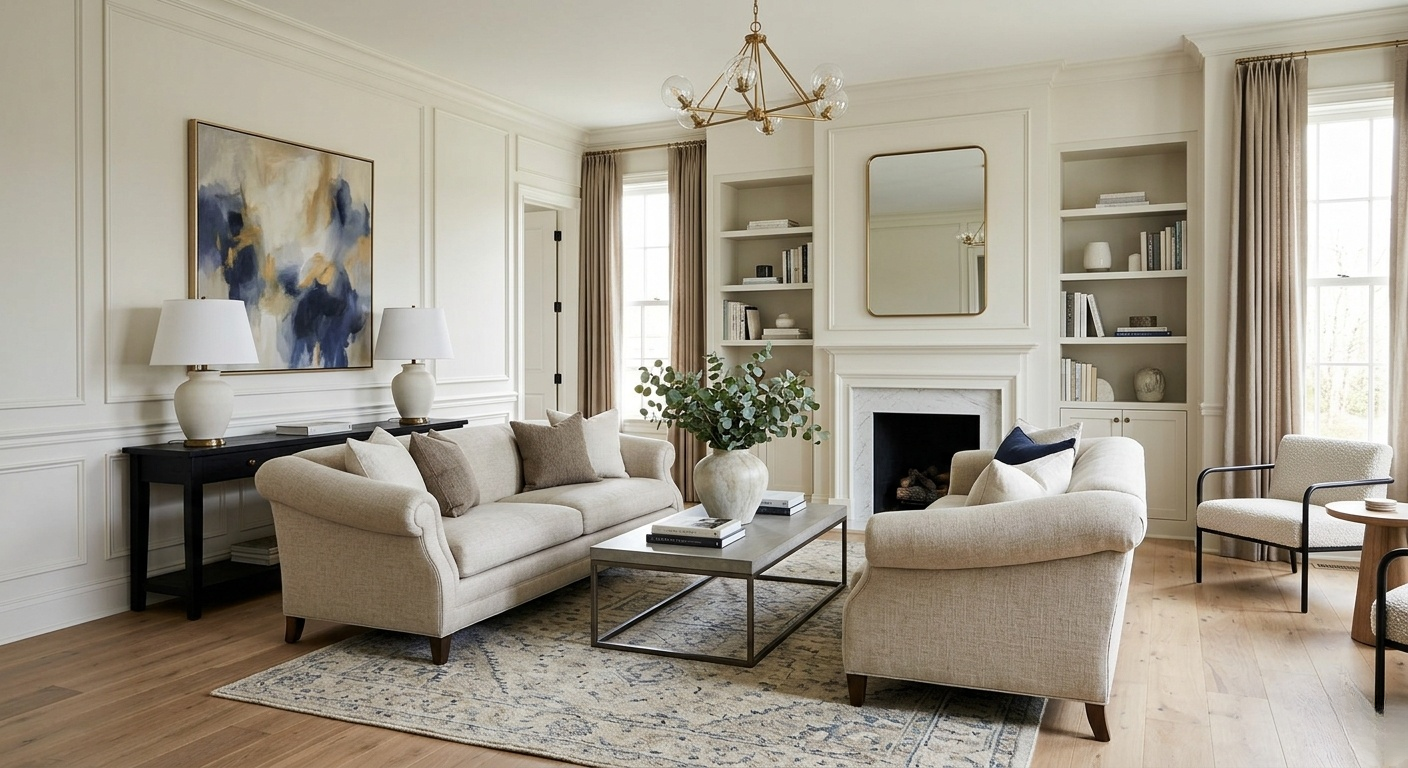
The bridge between traditional and contemporary. Classic silhouettes (rolled-arm sofas, paneled walls) softened with modern palettes and simpler accessories. The most forgiving style if you can't pick one lane.
6. Traditional
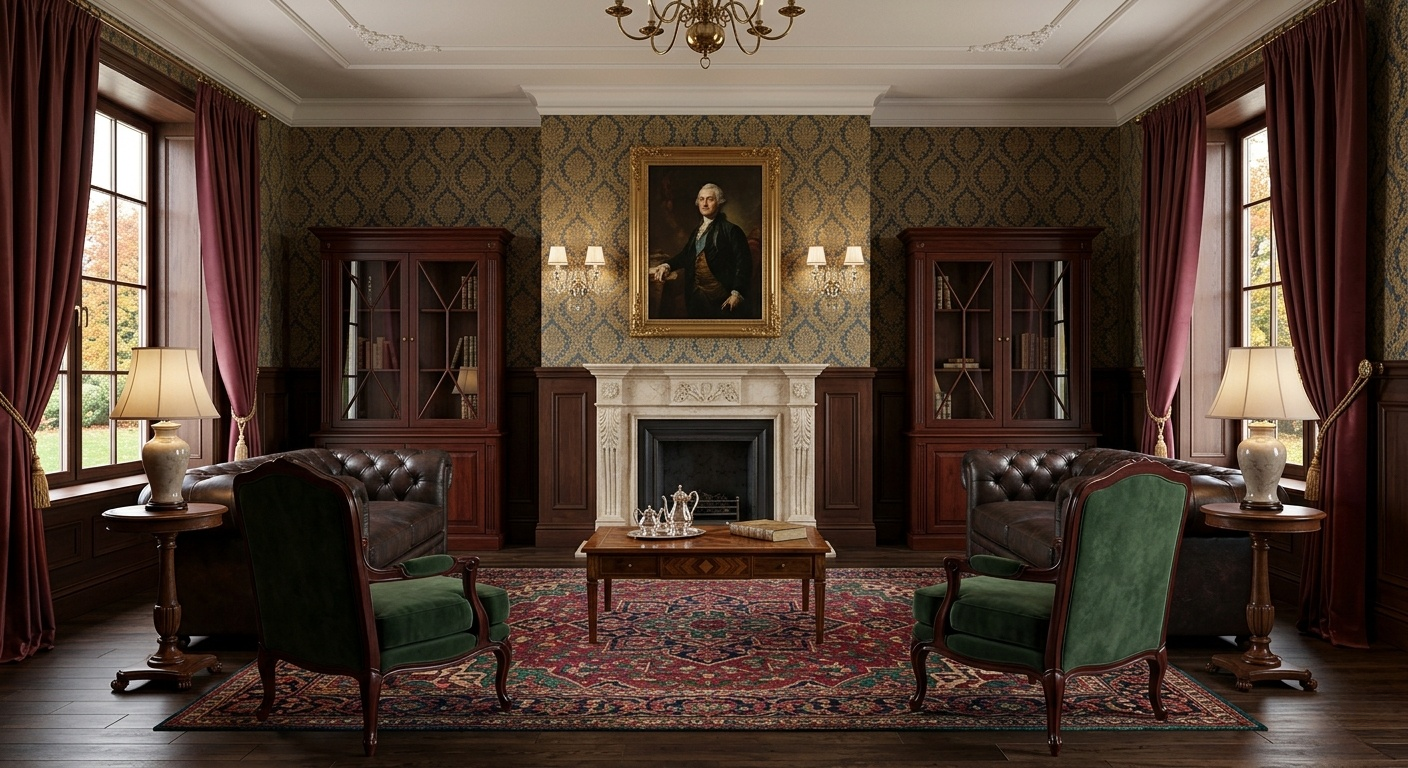
Symmetry, antique or antique-style furniture, dark woods, jewel tones, layered textiles. Borrowed from 18th- and 19th-century European homes. Feels formal, anchored, and timeless.
7. Mid-century modern
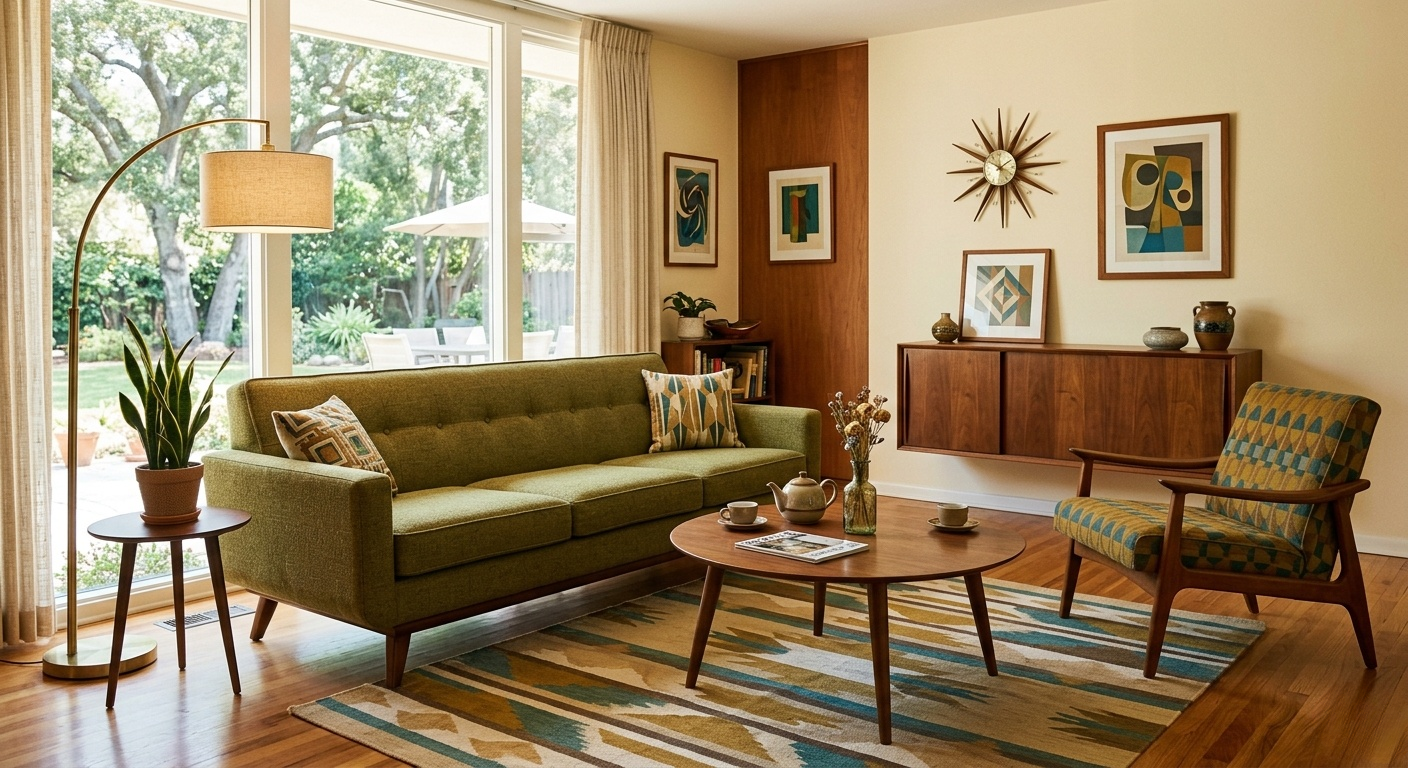
Mid-1900s American design. Tapered wood legs, low-slung sofas, geometric prints, mustard / olive / teak. Influential because it pairs well with almost everything else.
8. Industrial
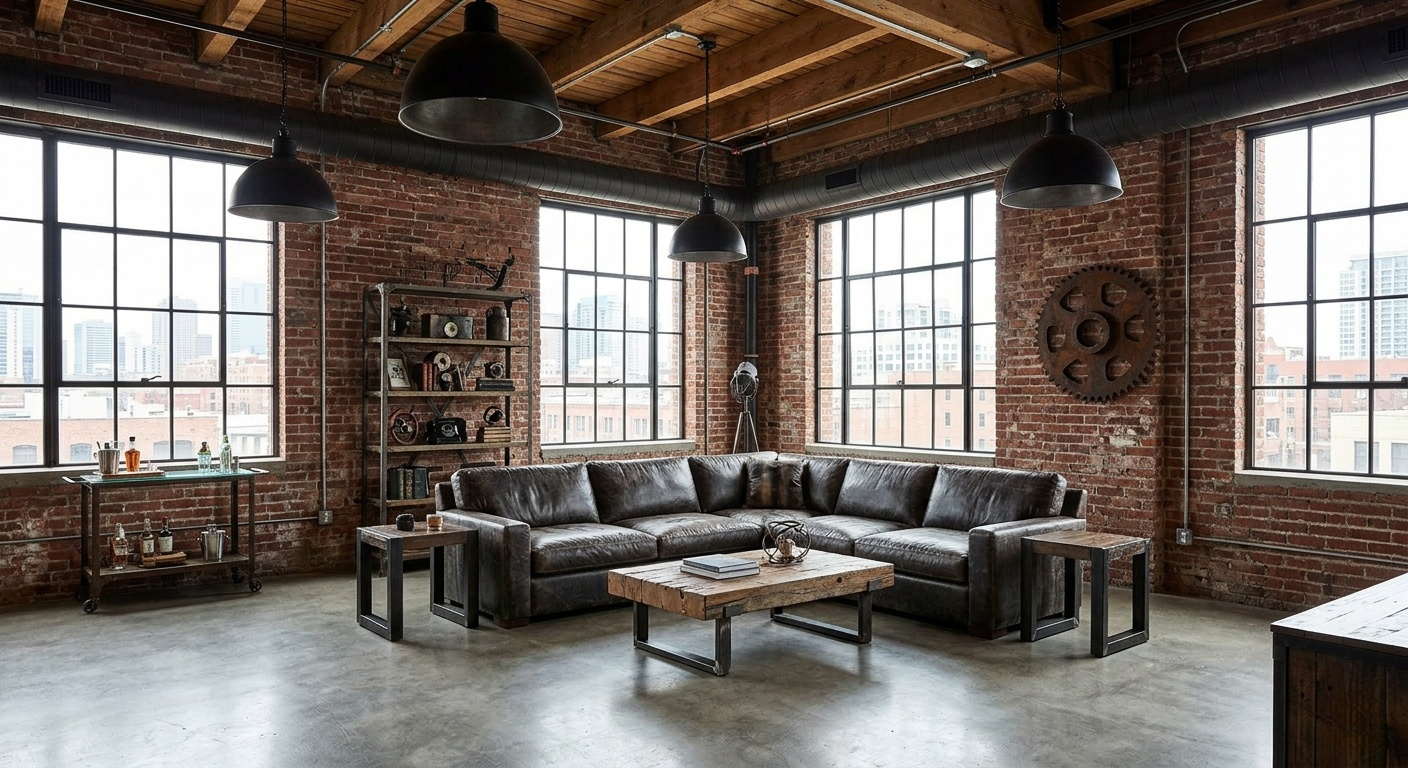
Exposed brick, raw metal, concrete, and reclaimed wood - the converted-warehouse look. Works best with high ceilings and a confident, edited furniture palette.
9. Farmhouse (and modern farmhouse)
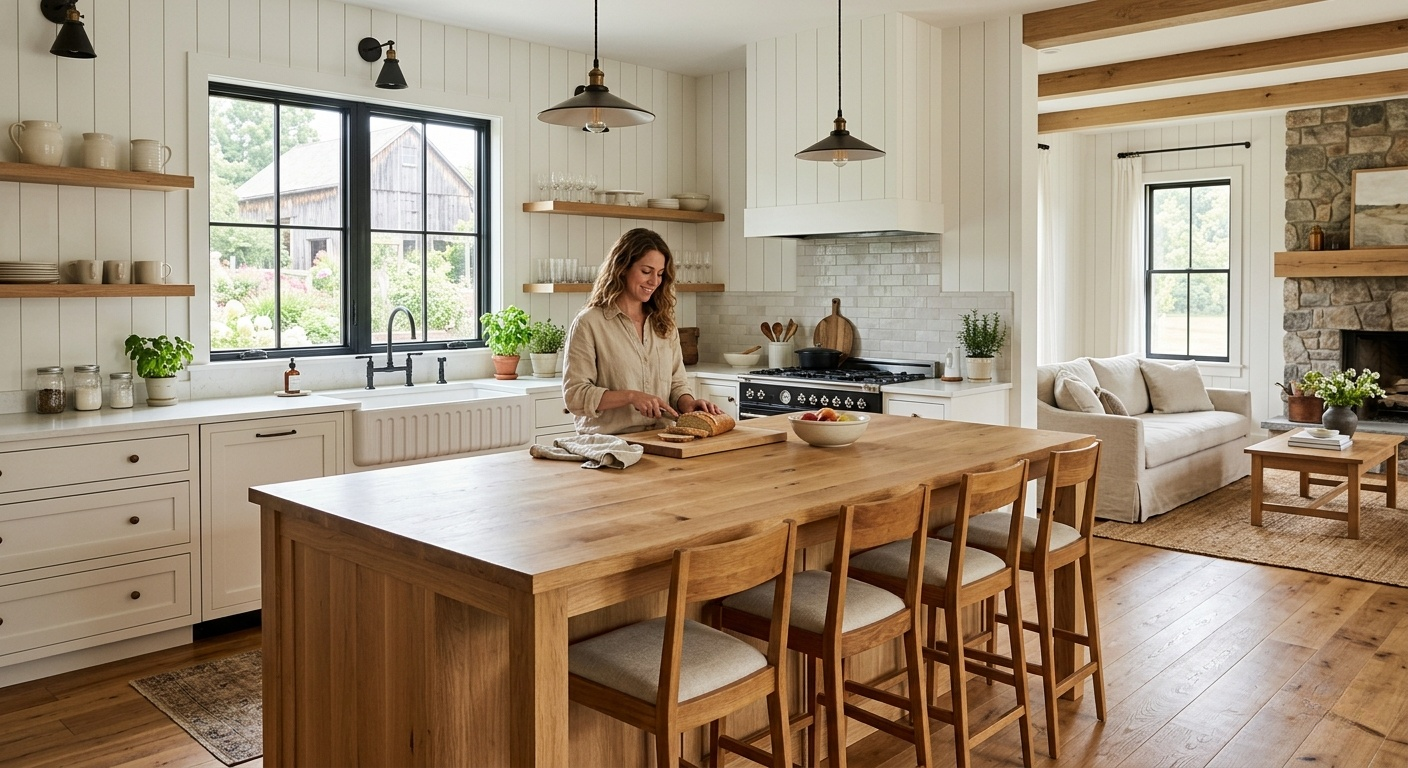
Shiplap, large kitchen islands, apron sinks, soft whites, and natural wood. Modern farmhouses are the cleaner, less rustic version - fewer mason jars, more linen.
10. Bohemian
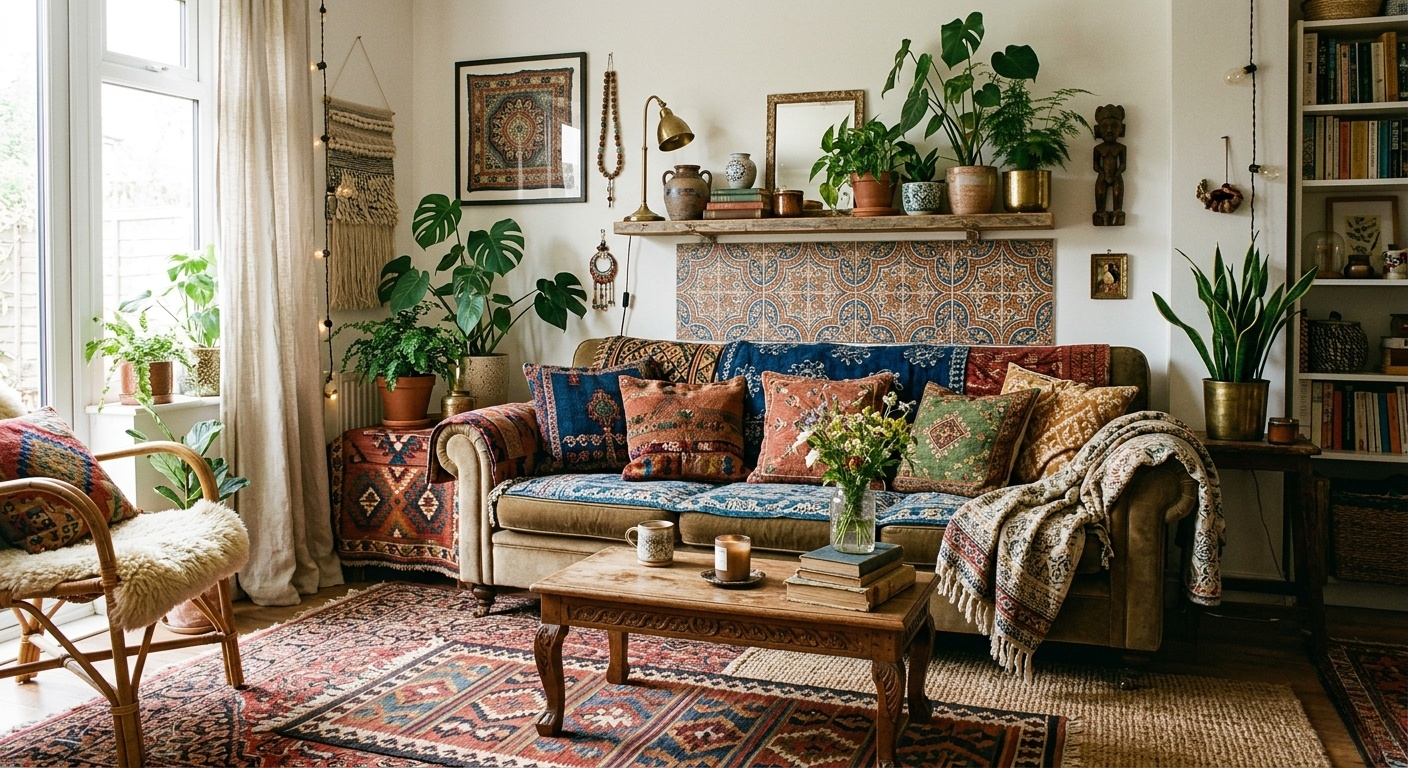
Layered textiles, plants, vintage finds, global patterns, and color worn with confidence. Bohemian invites pattern mixing; handwoven rugs, kilim cushions, and patterned tiles on a feature wall or splashback all read as authentic to the style. The rule is that there are no rules, but coherence comes from a tight color story.
How to find your style without guessing
Pinterest boards are noisy. A faster test is to look at your wardrobe and your last three holidays. If you wear neutrals and book quiet beach houses, you'll likely live well in Scandinavian or modern interiors. If you collect souvenirs and gravitate toward bright cities, bohemian or eclectic will feel like home. Style follows lifestyle, not the other way around.
- List five rooms (online or in real life) that you'd want to walk into tomorrow.
- Note three things they share; a wood tone, a color, a material, a ceiling treatment.
- Those three repeated elements are your starting palette.
Can you mix styles?
Yes, most professionally designed homes do. The rule of thumb is 70/30: 70 percent one dominant style, 30 percent a complementary one. A traditional living room with one mid-century chair feels intentional. A traditional living room with one Scandinavian chair, one industrial lamp, one farmhouse table, and one bohemian rug feels like a yard sale.
FAQs
What is the most popular interior design style right now?
Transitional and warm contemporary dominate searches in 2026 because they pair classic comfort with current palettes neither feels dated, both photograph well.
What's the difference between modern and contemporary?
Modern is a fixed historical movement (early-to-mid 20th century). Contemporary is whatever is current it changes every decade. A room can be both, but the words aren't interchangeable.
Which interior design style is easiest for a beginner?
Transitional and Scandinavian. Both forgive small mistakes transitional because it blends old and new, Scandinavian because the tight palette and clean lines make almost any addition look intentional.
Do I have to pick one interior design style for my whole home?
No. Pick one dominant style for the whole home so it flows, then let individual rooms lean into a complementary style for example, a transitional living room with a more traditional dining room. The bridge between rooms is color and wood tone.
How do I make my home look more expensive without changing the style?
Three small upgrades read as luxury in almost any style: longer curtains that touch the floor, dimmable warm lighting on multiple levels, and one oversized art piece per main room. None require renovation.
Elena Marsh
Editor-in-Chief · Updated June 11, 2026