
Pillar Guide
The Ultimate Home Maintenance Guide
A complete editorial framework for keeping a home healthy, efficient, and pleasant year after year — without expensive surprises.
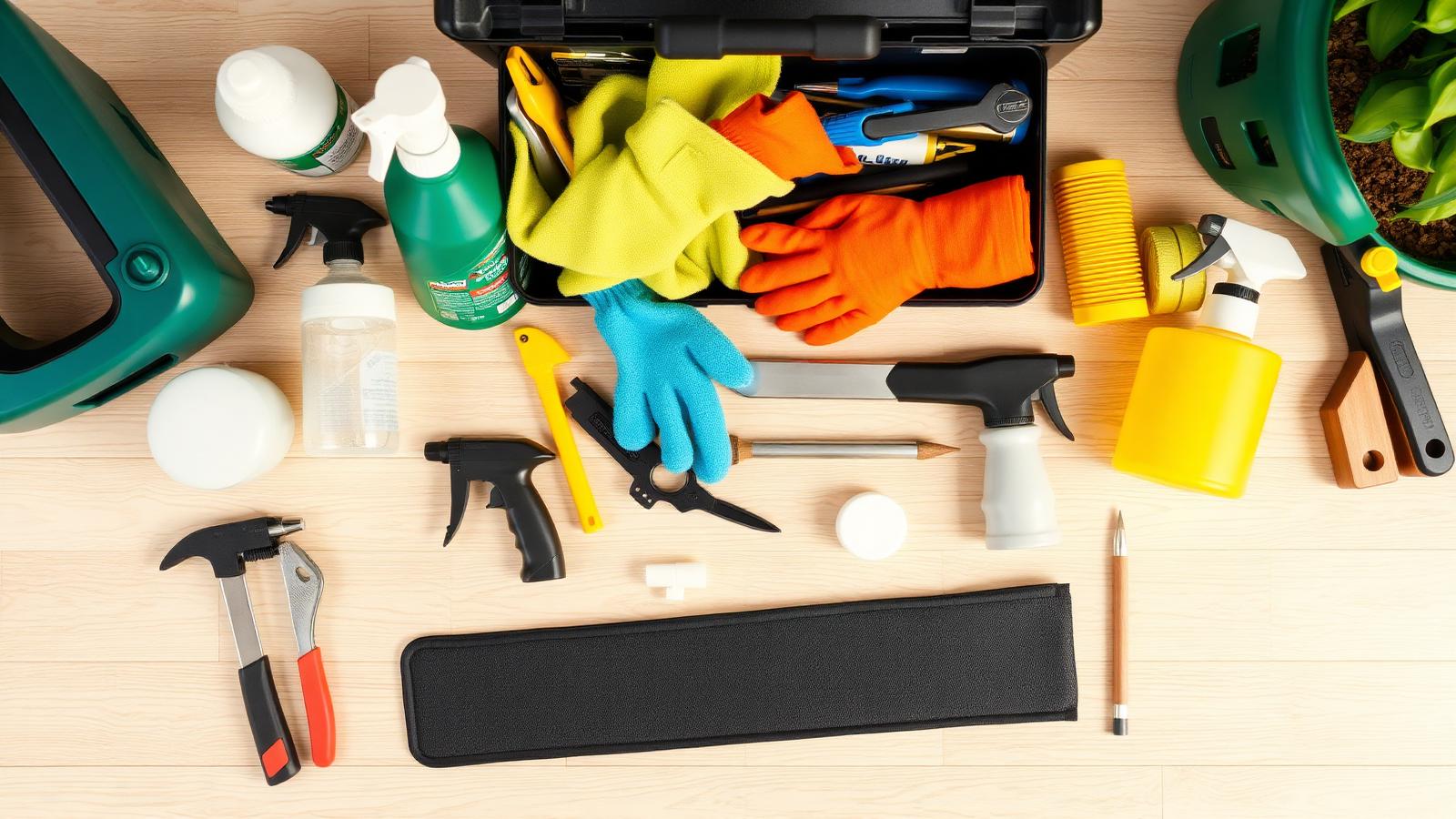
Owning or renting a home is a long, slow conversation with a building. The buildings that win that conversation belong to people who maintain them on a schedule rather than reacting to crises. This guide is the complete editorial maintenance system we recommend — written for real homes, not show homes.
The philosophy: small, regular, in writing
Most home failures are not sudden. They are slow leaks, slow rust, slow softening, slow dirt. The single most valuable thing you can do for your home is to write down what needs attention and when, and then actually do those things. A printed checklist on the inside of a utility cupboard outperforms any app.
Daily habits (5 minutes total)
- Wipe kitchen counters and the sink before bed.
- Squeegee the shower glass after the last use.
- Hang towels properly so they actually dry.
- Reset one common surface — coffee table, entry console, kitchen island.
Weekly tasks (90 minutes total)
- Vacuum high-traffic floors and rugs.
- Clean the bathroom (toilet, sinks, mirror, floor).
- Change linens.
- Wipe down the kitchen — including the inside of the microwave.
- Take out trash, recycling, and compost.
- Run a dishwasher rinse cycle.
Monthly tasks
- Vacuum under furniture and along baseboards.
- Dust ceiling fans, light fixtures, and the tops of door frames.
- Clean the inside of appliances (microwave, dishwasher, oven if needed).
- Wipe down the inside of the refrigerator.
- Test smoke and CO detectors.
- Replace HVAC filters (every 1–3 months depending on type).
- Clean the dryer lint trap thoroughly and check the exterior vent.
- Walk the perimeter of the home looking for new issues.
Quarterly tasks
- Deep-clean grout in bathrooms and kitchens.
- Rotate mattresses and wash mattress protectors.
- Clean window tracks, screens, and exterior glass.
- Inspect caulking around tubs, sinks, and exterior windows.
- Check water-using appliance hoses for bulges or moisture.
- Run vinegar through the dishwasher and washing machine.
Annual tasks
- Service the HVAC system (spring for AC, fall for heating).
- Have the chimney inspected if you use a fireplace.
- Flush the water heater to remove sediment.
- Test GFCI outlets and the electrical panel main breaker.
- Re-seal exterior wood (decks, fences, trim).
- Inspect the roof from the ground; have a pro look at it every 2–3 years.
- Service or sanitize water filtration systems — see our RO maintenance guide.
Seasonal preparation
Each season brings its own to-do list. Our complete seasonal home preparation guide walks through spring, summer, fall, and winter in detail.
Cleaning supplies that actually earn their place
- White vinegar, baking soda, and a grease-cutting dish soap handle 80% of cleaning needs.
- Microfiber cloths in three colors (one for kitchens, one for bathrooms, one for glass).
- A good vacuum with a HEPA filter.
- A flat mop with washable pads (better than a bucket and string mop for most floors).
- A squeegee for shower glass.
Tools every homeowner should own
- A 4-in-1 screwdriver and a small adjustable wrench.
- A cordless drill and a basic bit set.
- A stud finder and a small level.
- A flashlight or headlamp (for under-sink and attic inspections).
- A plunger for both the toilet and the sink — they are different shapes.
- A multi-meter (for testing outlets and appliance issues).
When to DIY and when to call a pro
The honest rule: anything involving the main electrical panel, gas lines, structural supports, or the roof is a professional job. Almost everything else — replacing a faucet cartridge, patching drywall, re-caulking a tub, swapping a light fixture — is reasonable to learn. Start with low-stakes projects and build skills slowly.
Building a home maintenance binder
Keep a single physical or digital binder with: appliance manuals, filter sizes, paint color names and codes, contractor contact info, warranty paperwork, and your maintenance checklists. The binder is worth its weight in saved phone calls and re-purchases.
Frequently asked questions
How often should I deep-clean my home?
If you keep up with weekly and monthly tasks, a "deep clean" becomes unnecessary. Quarterly attention to grout, windows, and appliances is enough.
What's the single most cost-effective maintenance habit?
Replacing HVAC filters on schedule. It extends the life of the system, lowers your energy bills, and improves indoor air quality.
Do I really need to walk the perimeter monthly?
Yes. Most expensive home repairs begin as small problems that nobody noticed for six months.
How much should I budget annually for home maintenance?
A reasonable rule is 1% of the home's value per year, averaged across years. Some years you'll spend nothing; some years you'll spend three times that.

Elena Marsh
Editor-in-Chief
Related articles

